Axxess is proud to celebrate the people behind the mission: leaders whose work not only drives innovation, but meaningfully improves care delivery. As part of our commitment to recognizing excellence, we’re launching a recurring spotlight series featuring Axxessians whose work is shaping the future of care at home.
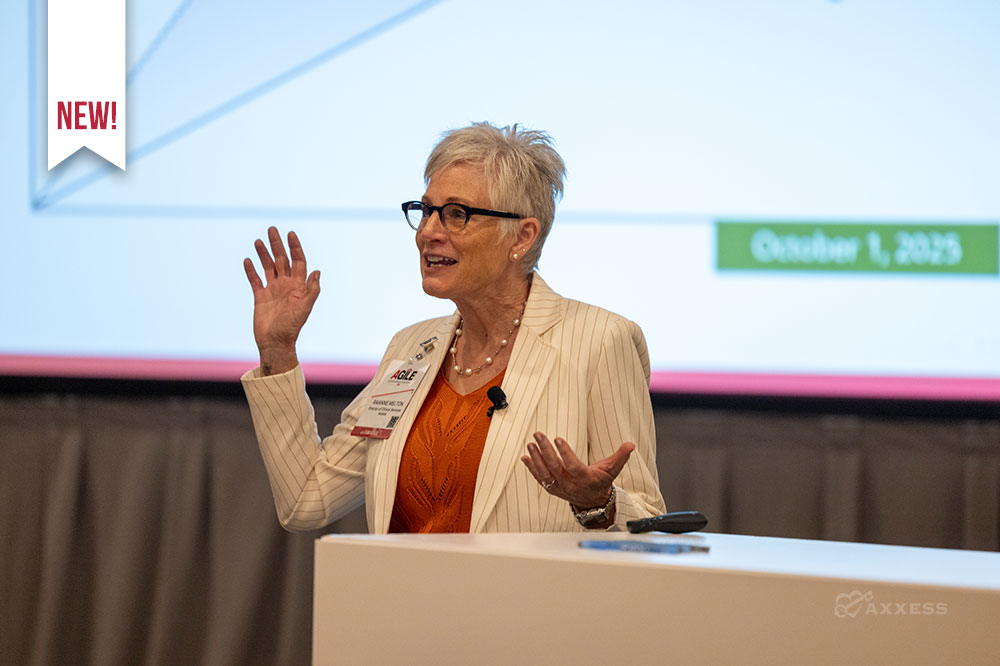
This month, we’re honored to highlight Raianne Melton, recipient of a McKnight’s Pinnacle Award, whose work reflects a deep, sustained commitment to inclusive hiring practices, empathetic leadership, and expanding access to care, both locally and across the globe.
We sat down with Raianne to talk about the leadership principles that guide her work, what inclusive hiring truly looks like in care at home, and why equity in healthcare starts with investing in the people who deliver it.
Q: Inclusive hiring was a key theme in your Pinnacle Award submission. What drives that commitment for you, and why do you feel it’s essential for the broader care at home industry?
Raianne:
Care at home is incredibly personal. We’re entering people’s homes during some of the most vulnerable moments of their lives. If our workforce doesn’t reflect the diversity of the communities we serve, or if people don’t feel valued and supported in their roles, we’re falling short before care even begins.
Inclusive hiring isn’t just about checking boxes. It’s about widening the door to people with different lived experiences, perspectives, cultural competencies, and strengths, and then creating an environment where they can truly thrive.
Takeaway:
Inclusive hiring strengthens trust, cultural competence, and continuity of care, all of which directly impact patient and family experiences.
Q: What does empathetic leadership look like in practice, especially in hospice and home-based care?
Raianne:
Empathetic leadership starts with listening. Our clinicians and staff carry emotional weight every day. Leaders have a responsibility to acknowledge that, not minimize it. Practically, that means building flexibility into schedules, encouraging open dialogue, and recognizing that work-life balance isn’t a “nice to have” in healthcare; it’s essential to sustainability.
Takeaway:
Empathy at the leadership level creates psychological safety, reduces burnout, and helps teams stay engaged long-term.
Q: You’ve spoken about improving work-life balance as part of clinician retention. Where do organizations often get this wrong?
Raianne:
Too often, we frame resilience as an individual responsibility instead of a system-level one. We tell clinicians to “take care of themselves” while giving them workloads that make that impossible.
Real balance comes from designing workflows, staffing models, and support systems that acknowledge the realities of hospice care, emotionally, physically, and logistically.
Takeaway:
Retention strategies are most effective when organizations address structural pressures, not just self-care initiatives.
Q: Beyond your work at Axxess, your volunteer efforts with Hope 4 Kids International span nearly two decades. How has that shaped your perspective?
Raianne:
Serving as a volunteer nurse and medical team lead in Uganda fundamentally shaped how I view access to care. Setting up clinics in remote areas with limited resources forces you to strip healthcare down to its core: compassion, creativity, and respect. Those experiences reminded me that equity isn’t theoretical. It’s about meeting people where they are and designing systems that don’t leave anyone behind.
Takeaway:
Global health outreach reinforces the universal need for equitable, human-centered care, regardless of geography or resources.
Q: As organizations look to diversify the hospice care talent pipeline, where should they start?
Raianne:
We have to look earlier and broader, partnering with schools, community organizations, and non-traditional pathways into healthcare. And once people are hired, leadership development matters just as much as recruitment.
Creating clear pathways for growth ensures that diversity exists not only at entry levels, but throughout leadership.
Takeaway:
Sustainable diversity efforts focus on recruitment and advancement, not one without the other.
Final Reflection
Melton’s Pinnacle Award recognizes more than individual achievement; it reflects a leadership philosophy rooted in empathy, inclusion, and global perspective. Her work reminds us that advancing care at home isn’t only about technology or policy; it’s about people, culture, and intentional leadership.
As we continue this spotlight series, we’ll keep celebrating Axxessians who are shaping the future of healthcare in meaningful, human-centered ways.
The Axxess Training and Certification+ platform advances equitable care through training courses on DEI and belonging, implicit bias awareness, cultural diversity and more. Click here for additional information.